10 Cross-Country RV Stops That Are Worth the Detour
There are two ways to drive across the United States in an RV. The first is to put your head down, knock out 400-mile days on the interstate, and try to make it coast to coast in under a week. I’ve done that drive. It’s efficient. It’s also the saddest way to experience the most interesting country on earth.
The second way is to make the detours. Turn off the interstate when something on the map catches your eye. Stay an extra day when a place surprises you. Let the trip become the point.
These are ten stops I’ve pulled off the highway for, sometimes on a whim, that I’d tell any RVer to put on their list. They’re not the obvious big-name national parks that show up on every roundup. They’re the ones I actually remember.
1. Cadillac Ranch, Amarillo, Texas
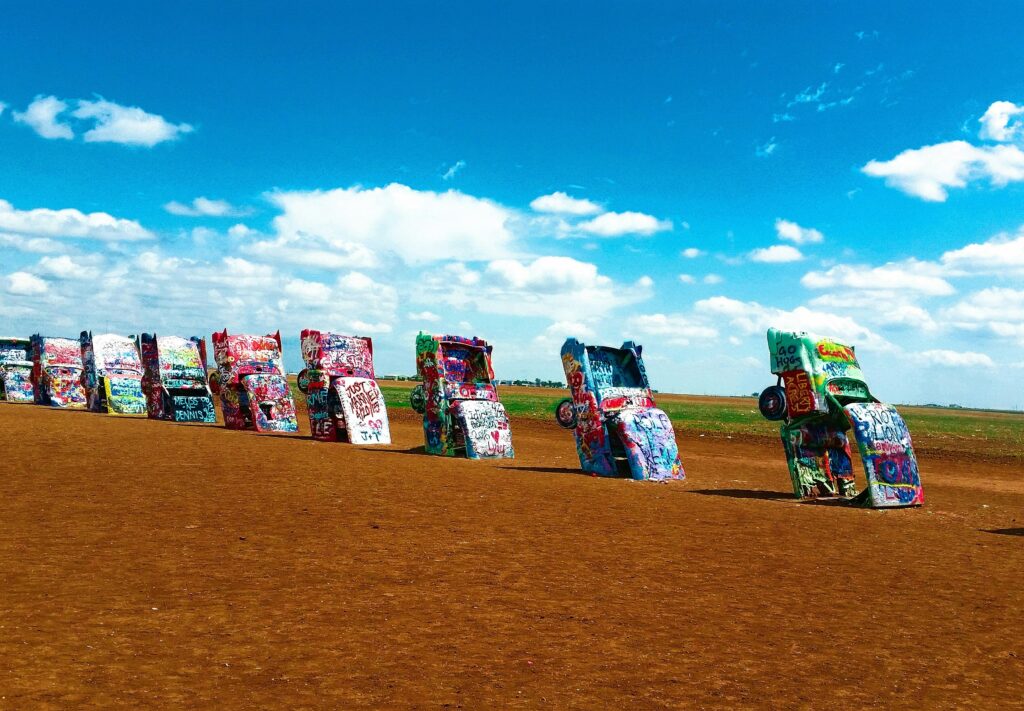
You’ve seen pictures. Ten Cadillacs buried nose-down in a Texas Panhandle field, covered in layer upon layer of spray paint. It’s free, it’s open 24 hours, and it’s five minutes off I-40.
Here’s my tip: show up at sunrise or in the last hour before dark. The midday crowd is bigger than you’d think, and the light is terrible. Bring a can of spray paint from a hardware store and add your own mark. It’s part of the experience.
Parking is a wide dirt pullout, easy for any size rig. You can be in and out in 30 minutes, which makes it a no-brainer stop between Amarillo and Albuquerque.
2. Petrified Forest National Park, Arizona
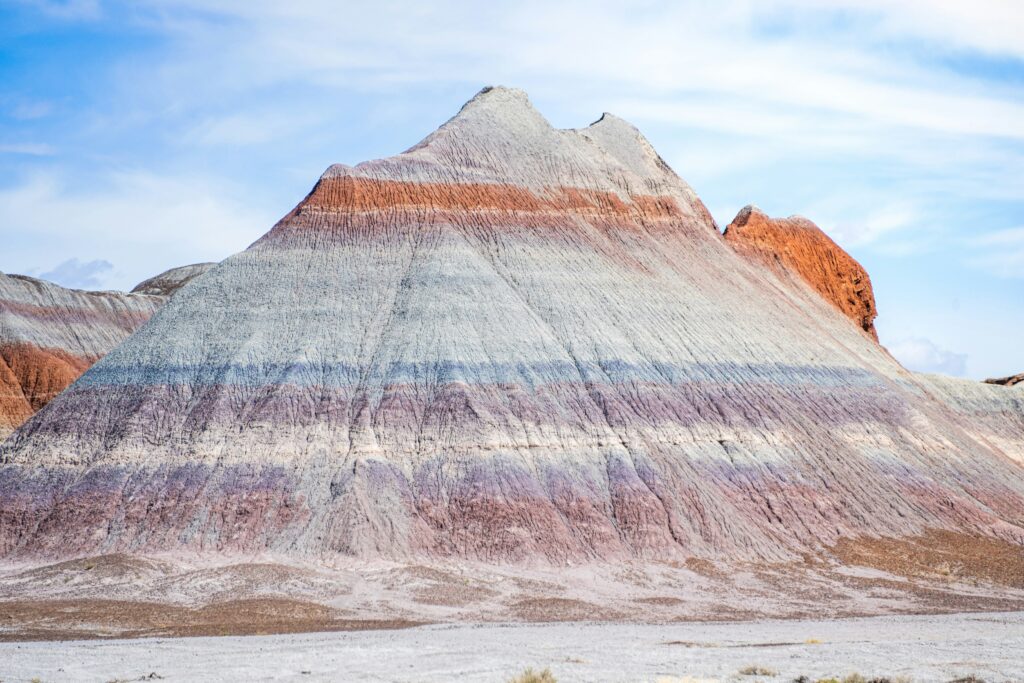
Most people blow past Petrified Forest on their way to the Grand Canyon and never stop. That’s a mistake. You can drive the entire park road in about two hours, and the rig-friendly pullouts let you see ancient logs turned to crystal, painted desert overlooks, and some of the strangest landscape in the Southwest.
I spent a full afternoon here on a Tuesday and saw maybe a dozen other visitors. No reservations needed, no ranger station nightmare, just a quiet park most people skip.
3. The Corn Palace, Mitchell, South Dakota
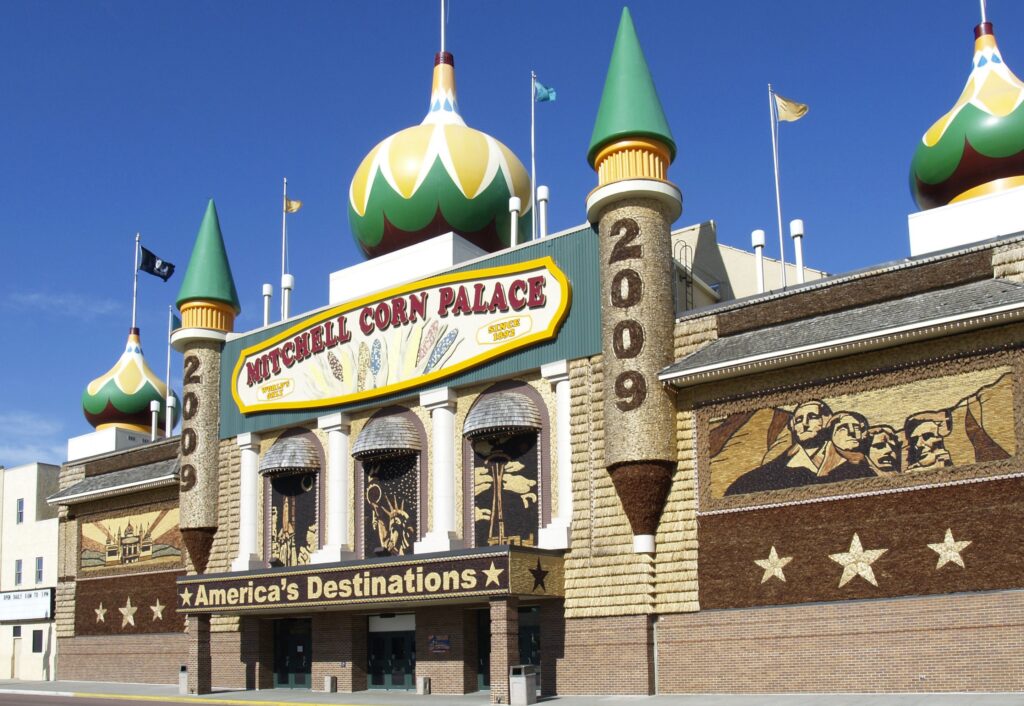
Yes, it’s a roadside attraction. Yes, it’s a building covered in actual corn that gets redesigned every year. And yes, it’s worth pulling off I-90 for 45 minutes. The Corn Palace is the kind of Americana that won’t exist forever, and when I bring people through on cross-country trips, it’s always the stop they laugh about afterward.
Free parking, free admission, easy in and out. If you’re driving I-90 across South Dakota anyway, just do it.
4. Custer State Park, Black Hills, South Dakota
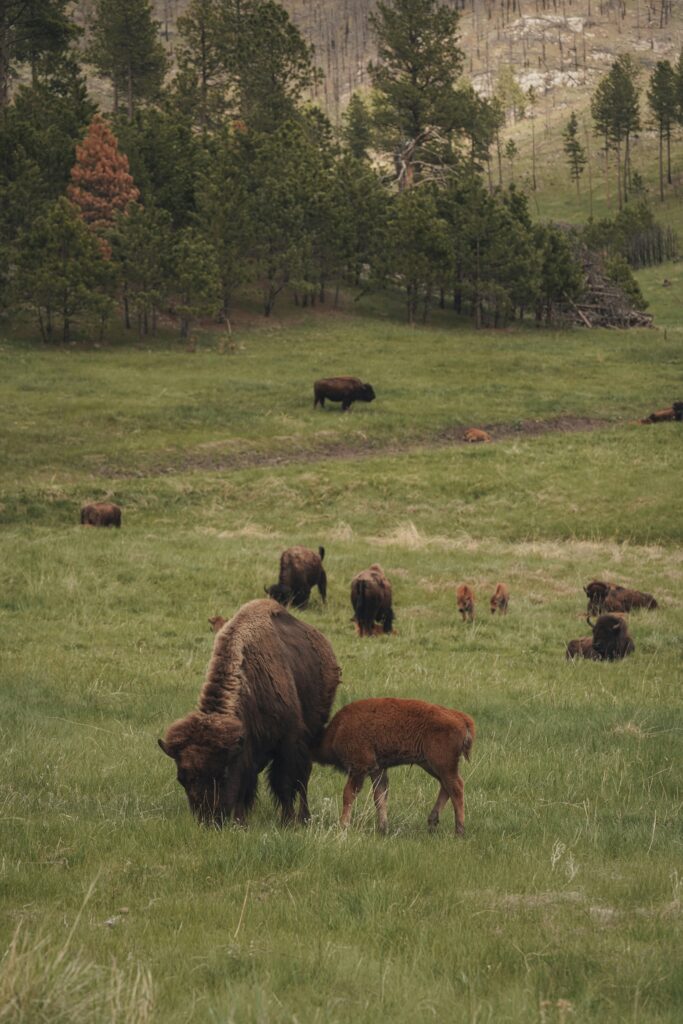
Speaking of South Dakota, if you have more than 45 minutes, get off I-90 and spend two nights in Custer State Park. The Wildlife Loop Road gives you pronghorn, bison, and those famously friendly (and pushy) wild donkeys who will absolutely stick their heads in your passenger window looking for snacks.
The campgrounds are RV-friendly with some sites big enough for Class A rigs. Reservations are competitive in summer, so check early or use a cancellation alert service. I’d skip Mount Rushmore (it’s quick and crowded) and spend the time here instead.
5. The Mississippi River Road, Iowa to Louisiana
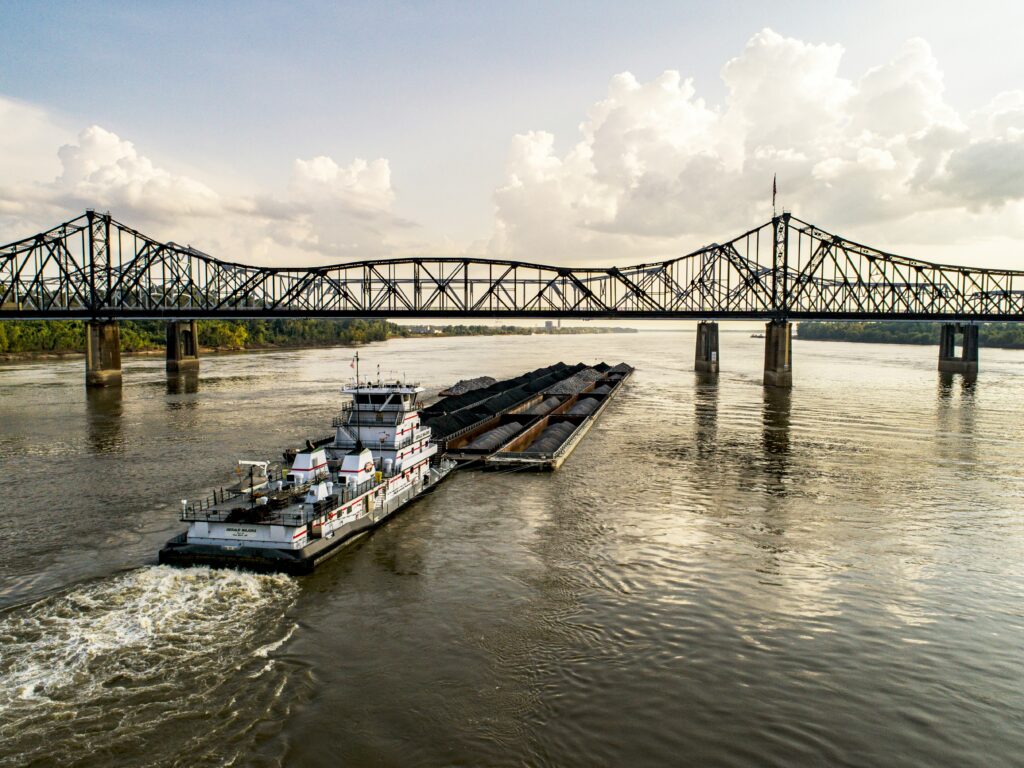
This isn’t a single stop, it’s an entire alternate route. The Great River Road follows the Mississippi for about 3,000 miles on both sides, and you can cherry-pick sections that run parallel to your planned interstate route. I’ve taken it through northeast Iowa, western Illinois, and Mississippi, and each stretch has small river towns, old riverboat history, and surprisingly good campgrounds.
It’s slower than the interstate by maybe an hour a day. It’s also about ten times more interesting.
6. Hot Springs National Park, Arkansas
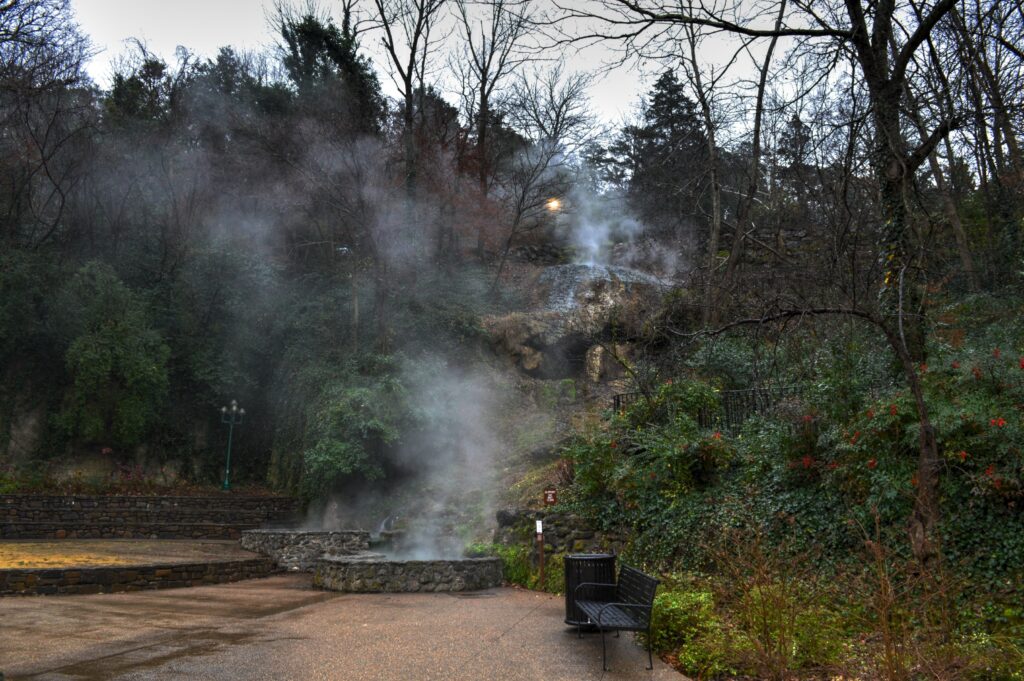
This is the national park nobody talks about. It sits in downtown Hot Springs, Arkansas, and you can literally park the rig at Gulpha Gorge Campground (no reservations when I was there, first-come first-served) and walk or drive to the old bathhouse row in town.
The historic Fordyce Bathhouse is now the visitor center and free to tour. If you want the full experience, the Buckstaff Bathhouse is still operating with the original 1912 fixtures. I soaked, I drank coffee, I walked the trails, and I spent three days longer than I planned. That’s the mark of a real stop.
7. The Natchez Trace Parkway, Mississippi to Tennessee
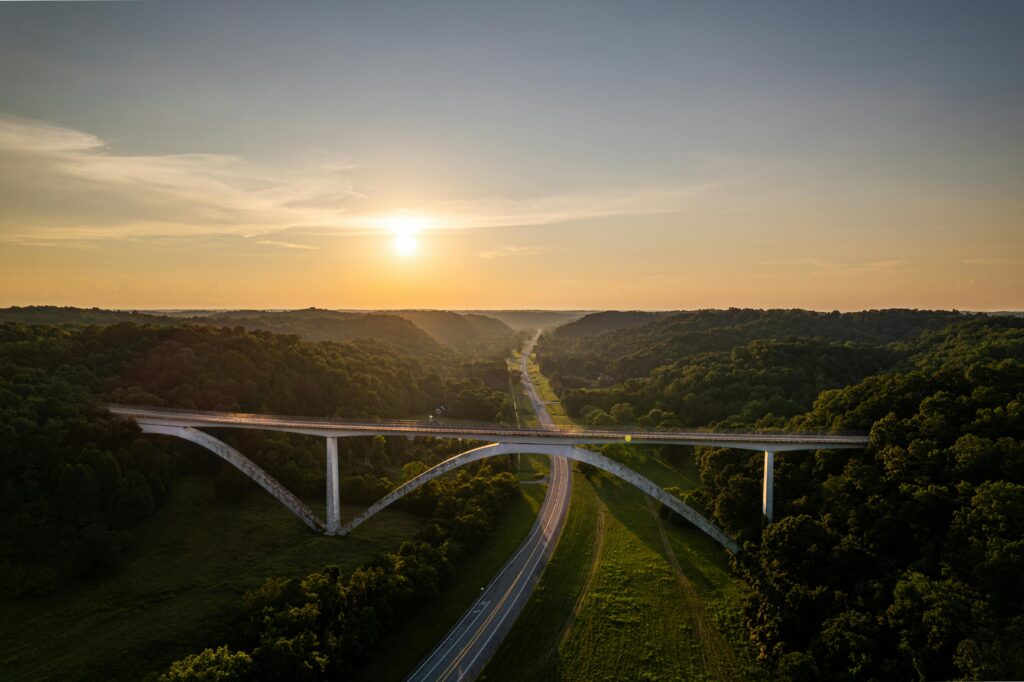
Another alternate route, this one managed by the National Park Service. The Natchez Trace runs 444 miles from Natchez, Mississippi to Nashville, Tennessee. No commercial traffic, a 50 mph speed limit, and scenic pullouts every few miles. There are three free NPS campgrounds along the route, all first-come first-served, all with basic sites that work fine for self-contained rigs.
I’ve driven the full length twice. It’s one of my favorite roads in the country and almost nobody outside of the Southeast knows it exists.
8. Badlands National Park, South Dakota
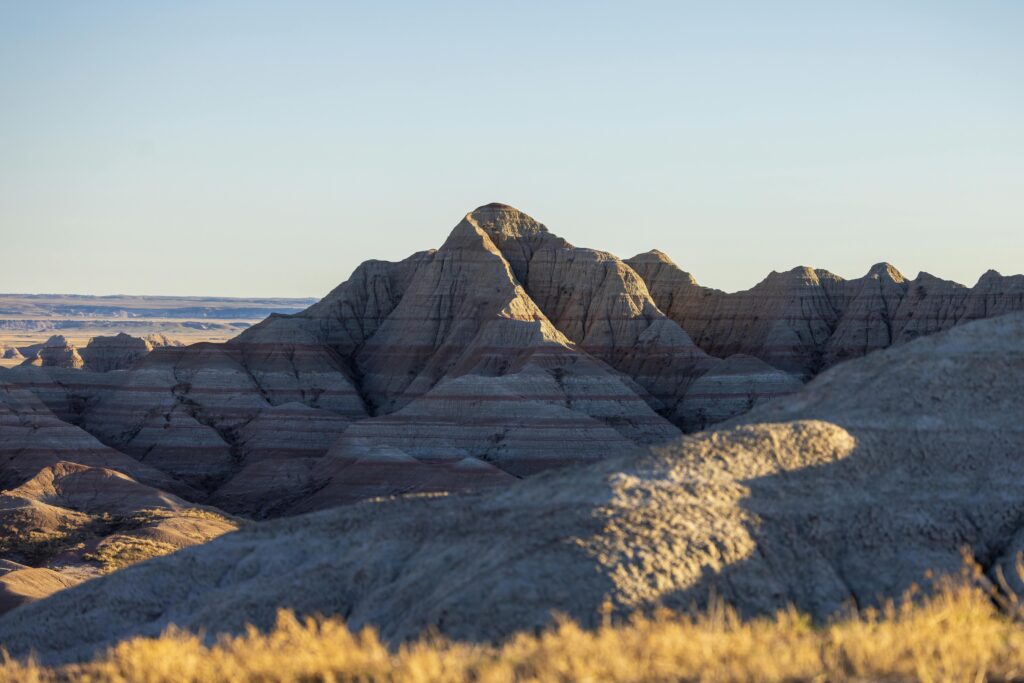
If you’re already in South Dakota for Custer, drive the 80 miles east to Badlands. The Loop Road is completely RV-friendly, and unlike a lot of big parks, you can see most of the headliner views in one afternoon. Sage Creek Campground is free, primitive, and has bison wandering through it. Cedar Pass Campground has hookups and real bathrooms if you want comforts.
Sunset at Badlands is unreal. The entire landscape turns orange and pink for about 20 minutes. Do not miss it.
9. The Enchanted Highway, North Dakota
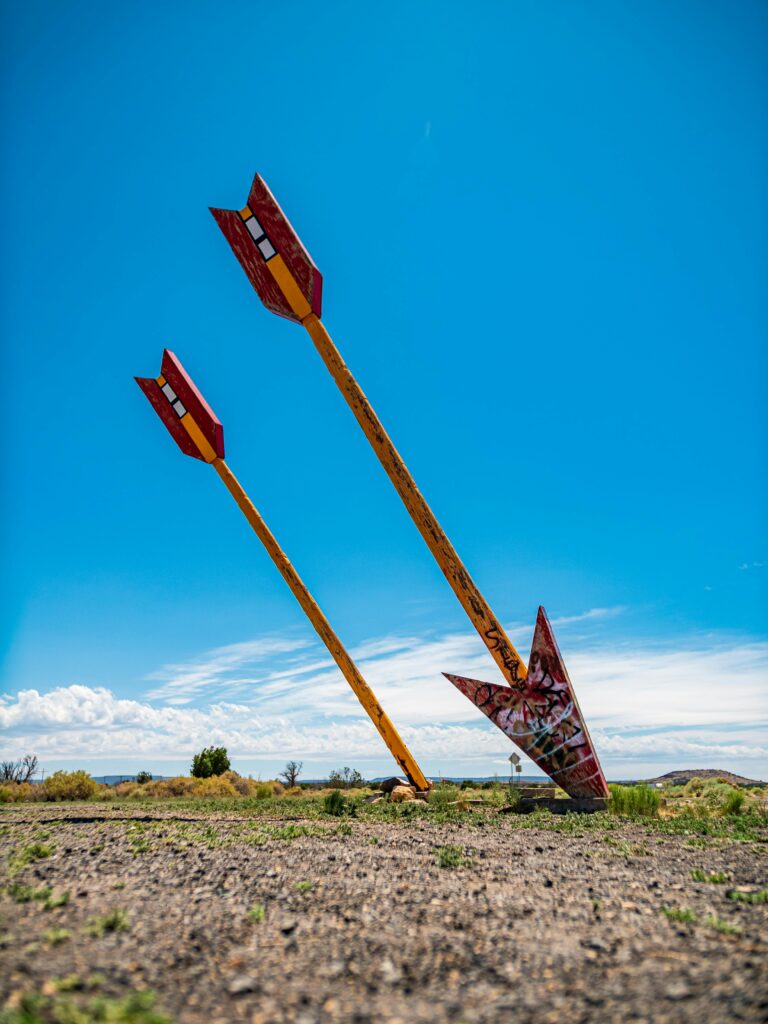
This is 32 miles of back-country North Dakota highway dotted with giant metal sculptures made by a local artist. A 110-foot tin family. Geese in flight. Grasshoppers the size of cars. It sounds weird because it is weird, and that’s exactly why it’s worth the detour.
The sculptures are free, the road is paved and RV-friendly, and there’s a small campground at the south end at Regent. It’s maybe 90 minutes off I-94, and I promise your kids or grandkids will ask about it for years.
10. Key West, Florida (The Long Way)
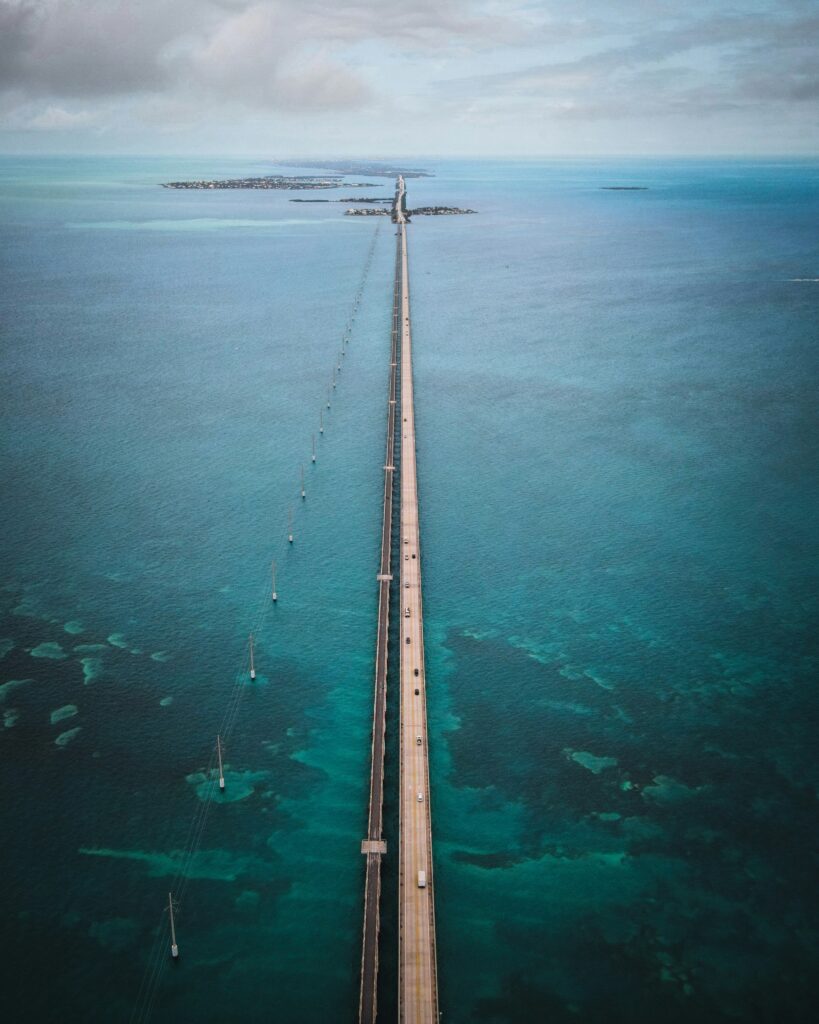
I have to put Key West on here because it’s one of my personal favorites, and the drive down the Overseas Highway is itself the experience. From the mainland, it’s about 113 miles of bridges and small islands, with pullouts and state parks the whole way down. Bahia Honda State Park in particular is the one to try to book, and yes, it’s hard to get, and yes, that’s what cancellation alert services are for.
Once you’re there, Key West is walkable, the campgrounds are pricey but worth it, and there’s nothing else like it in the continental U.S. If I could only keep three stops on this list, Key West would be one of them.
How to Actually Build a Detour Trip
A few quick principles I’ve learned:
Plan for half-days, not full ones. If you try to do 400 miles plus a big stop, you’re rushing both. 200 miles and one real stop is a much better day.
Use iOverlander or Campendium to find RV-friendly parking at small attractions. Most of the big-name spots have pullouts, but some don’t, and you’ll want to know before you commit to a detour.
Book cancellation alerts for the popular state and national parks. You can absolutely get into Custer, Badlands, and Bahia Honda even in peak season if you use the right tools.
Leave days unscheduled. My best stops were all unplanned. Leave at least one day a week with nothing booked.
The Real Point
The interstate system is an engineering marvel and it will get you from Los Angeles to New York in about 40 hours of driving. But nobody tells stories about the interstate. People tell stories about the painted cadillacs and the donkeys sticking their heads in the window and the sunset at Badlands.
Make the detours. That’s the whole reason you own an RV.
For more road-tested destinations, travel guides, and honest RV advice, subscribe to the RV Insider newsletter. Weekly stories and tips delivered straight to your inbox.